
🔴 CRITICAL WARNING: Evaluation Artifact – NOT Peer-Reviewed Science. This document is 100% AI-Generated Synthetic Content. This artifact is published solely for the purpose of Large Language Model (LLM) performance evaluation by human experts. The content has NOT been fact-checked, verified, or peer-reviewed. It may contain factual hallucinations, false citations, dangerous misinformation, and defamatory statements. DO NOT rely on this content for research, medical decisions, financial advice, or any real-world application.
Read the AI-Generated Article
Abstract
Joining aluminum to steel is a cornerstone requirement for multi-material lightweight automotive structures, yet conventional fusion welding often triggers the formation of brittle Fe–Al intermetallic compounds (IMCs) and associated loss of toughness and fatigue resistance. Friction stir welding (FSW), a solid-state process, mitigates melting-related defects but still produces IMC layers at the interface whose thickness, continuity, and morphology strongly control joint performance. This article presents an experimental methodology and a microstructure–mechanical performance correlation framework for dissimilar aluminum–steel FSW, with emphasis on parameter effects (rotation speed, traverse speed, plunge depth, and tool offset) on interfacial reaction products, aluminum-side thermomechanically affected microstructure, and mechanical response under both quasi-static and cyclic loading. Because this manuscript is generated without access to a physical laboratory, all numerical “Results” are explicitly labeled as illustrative (author-generated) to demonstrate an analysis workflow that can be directly applied to measured data. The study integrates (i) process-window mapping using a heat-input surrogate, (ii) image-analysis-based IMC thickness statistics, (iii) hardness and EBSD-derived microstructural descriptors, and (iv) fatigue modeling via Basquin-type relations linked to interfacial defect populations. The resulting framework yields practical design rules: the most robust joints are expected when steel fragmentation is minimized, the IMC layer remains thin and laterally uniform, and the aluminum stir zone exhibits refined, recrystallized grains with smooth material flow at the interface. The article concludes with a reproducible workflow—including specimen design, characterization, and Bayesian optimization—for accelerating parameter selection for automotive manufacturing constraints.
Keywords— friction stir welding, dissimilar joining, aluminum-steel, intermetallics, automotive manufacturing
Introduction
Vehicle lightweighting is an enduring lever for reducing energy consumption and emissions, motivating the adoption of aluminum alloys in body-in-white and closure applications while retaining steels in crash-relevant load paths and cost-sensitive structural members. In practice, this trend forces the widespread use of dissimilar joining between aluminum and steel sheets, extrusions, and tailored blanks. The joining problem is metallurgically difficult: aluminum and iron exhibit strong chemical affinity and form multiple Fe–Al intermetallic compounds (IMCs) with limited ductility at ambient temperature. In fusion-based joining routes (e.g., arc welding, laser welding), local melting and long dwell at elevated temperature often produce thick, continuous IMC layers and/or complex mixed zones that act as crack-initiation sites, causing brittle fracture and poor fatigue performance.
Friction stir welding (FSW), invented at The Welding Institute (TWI) in 1991, is a solid-state joining process in which a rotating tool generates frictional and plastic-deformation heating and mechanically stirs material across an interface without bulk melting [1]. FSW has matured into a high-productivity method for aluminum alloys, offering low distortion and attractive fatigue properties in similar-metal joints [2], [3]. Dissimilar aluminum–steel FSW remains more challenging because the steel’s higher flow stress and thermal properties constrain mixing and heat generation, while interfacial reactions can still occur even below the melting point of aluminum. Prior work shows that the mechanical integrity of Al–steel FSW often hinges on controlling the interfacial IMC layer thickness and morphology, avoiding macroscopic defects (voids, kissing bonds), and managing steel fragment entrainment into the aluminum stir zone [6].
From a manufacturing perspective, an “acceptable” aluminum–steel joint must satisfy multiple objectives simultaneously: high static strength, stable fatigue life, robustness to process variation, minimal tool wear, and compatibility with coatings (e.g., galvanized steels) and corrosion protection systems. These requirements motivate a microstructure-informed process optimization approach rather than parameter selection based on strength alone.
Scope and Contributions
This article develops a complete experimental-and-analytics blueprint for optimizing aluminum–steel FSW and connecting process parameters to microstructural outcomes and then to static and cyclic mechanical performance. The contributions are:
-
A reproducible parameterization of dissimilar FSW emphasizing tool offset, plunge depth, and a heat-input surrogate relevant to IMC growth.
-
A microstructure quantification pipeline centered on IMC thickness statistics, steel fragment area fraction, aluminum recrystallized grain size, and hardness gradients.
-
A performance correlation framework linking these microstructural descriptors to lap-shear strength and fatigue response, supported by mechanistic reasoning and standard fatigue models.
-
A Bayesian optimization workflow suitable for industrial parameter tuning under limited experimental budgets.
All figures and numerical datasets presented in the Results section are labeled as Illustrative (author-generated) unless explicitly stated otherwise. The intent is to provide an analysis-ready structure that researchers can populate with their own measurements.
Background and Related Work
Fundamentals of Friction Stir Welding
In FSW, a rotating tool with a shoulder and (often) a pin is plunged into the joint line and traversed along it. Heat is generated by friction at the shoulder/workpiece interface and by plastic work in the stirred material. The thermomechanical field creates characteristic zones in aluminum: a dynamically recrystallized stir zone (SZ), a thermomechanically affected zone (TMAZ), and a heat-affected zone (HAZ) where precipitate coarsening or dissolution may occur depending on alloy temper [2]–[5]. Because peak temperatures typically remain below the melting point, defects associated with solidification are avoided; however, diffusion and solid-state reactions can still occur at dissimilar interfaces.
Intermetallic Compounds in Al–Fe Systems
Aluminum and iron form several intermetallic phases (e.g., Fe 2 Al 5 , FeAl 3 , FeAl, Fe 3 Al), the stability and formation kinetics of which depend on temperature, composition, and diffusion pathways. In many joining scenarios (including brazing and fusion welding), Fe 2 Al 5 and FeAl 3 are commonly reported near the interface due to Al-rich local chemistry and faster Al diffusion into Fe [7], [8]. These phases are typically hard and brittle compared with either base metal, so thick continuous layers often degrade strength and, more critically, fatigue life.
Dissimilar FSW of Aluminum and Steel
FSW of aluminum to steel is typically performed in lap configuration with aluminum placed on top to maximize tool interaction with the lower-flow-stress material and to reduce tool wear. A key process lever is tool offset toward aluminum, limiting direct stirring of steel while still promoting intimate contact and interfacial bonding. Watanabe et al. reported that joining aluminum alloy to steel by FSW is feasible but strongly sensitive to process parameters, with the formation of interfacial reaction layers affecting strength [6]. These observations are consistent with broader FSW understanding: higher heat input and longer thermal exposure tend to increase IMC thickness, while insufficient heat and forging pressure can result in lack of bonding.
Fatigue Considerations in Dissimilar Joints
Automotive joints are often fatigue-critical. Even when static strength is adequate, cyclic loading can amplify the influence of small defects (voids, incomplete bonding, brittle IMC segments) because cracks nucleate at local stress concentrations and propagate along weak interfaces. Classical fatigue design models (e.g., Basquin-type stress–life relations) are widely used to fit constant-amplitude fatigue data, while fracture mechanics standards guide crack growth characterization when relevant [9], [10], [14]. In dissimilar Al–steel joints, the mechanical mismatch (elastic modulus, yield strength) and potential for brittle interfacial layers complicate fatigue crack path predictions, making microstructure-informed interpretation essential.
Methodology
Materials and Joint Configuration
The following baseline system is adopted for the methodology (researchers can substitute equivalent automotive grades):
-
Aluminum: AA6061-T6 sheet, thickness 2.0 mm (precipitation-hardened alloy representative of structural applications).
-
Steel: Dual-phase steel DP590 sheet, thickness 1.2 mm (representative of automotive AHSS).
Lap joints are selected because they are common in sheet-based automotive manufacturing and reduce tool exposure to steel. The overlap length is chosen to ensure stable steady-state welding and adequate region for mechanical testing (e.g., 30–50 mm overlap).
| Material | Nominal thickness (mm) | Notes relevant to FSW |
|---|---|---|
| AA6061-T6 | 2.0 | Softening in HAZ possible due to precipitate changes; strong sensitivity of hardness to thermal cycle [2], [3] |
| DP590 steel | 1.2 | High flow stress; may be galvanized in practice; steel fragments can be entrained into Al |
[Illustrative representation] A lap-joint cross-section schematic showing AA6061-T6 on top of DP590. The rotating FSW tool shoulder contacts the aluminum top surface; the pin tip approaches the Al/steel interface with a small offset into Al. Annotated features include: tool offset (positive toward Al), plunge depth, interfacial IMC layer, potential “hooking” at lap edge, and steel fragment entrainment into the aluminum stir zone.
FSW Tooling and Machine Setup
Tool design for Al–steel FSW must balance heat generation and mechanical stirring against wear and fracture risk when contacting steel. For laboratory-scale studies, polycrystalline cubic boron nitride (PCBN) and tungsten-based tool materials are commonly considered for steel-capable FSW, while hardened tool steels can be used if steel contact is minimized (e.g., by offset and controlled plunge) [3]. This methodology assumes a tool with:
-
Shoulder: concave shoulder, diameter 12–16 mm, to increase forging pressure and stabilize material flow.
-
Pin: short pin length slightly below aluminum thickness, with threaded or fluted features to enhance stirring near the interface.
Clamping and backing anvil rigidity are treated as first-order variables for defect prevention; insufficient restraint can cause separation, wormholes, or interface debonding during cooling.
Design of Experiments (DOE) and Process Parameters
Four primary control factors are selected:
-
Rotation speed, N (rpm)
-
Traverse speed, v (mm/min)
-
Tool tilt, α (deg)
-
Tool offset toward aluminum, o (mm)
Plunge depth (or shoulder penetration) is treated as a secondary factor but can be incorporated as a fifth variable if the machine provides reliable force control. The parameter bounds are selected to span under-heated to over-heated conditions.
| Parameter | Symbol | Low | Mid | High | Rationale |
|---|---|---|---|---|---|
| Rotation speed (rpm) | N | 600 | 900 | 1200 | Controls heat generation and stirring intensity [2], [3] |
| Traverse speed (mm/min) | v | 50 | 125 | 200 | Controls thermal exposure time per unit length |
| Tilt angle (deg) | α | 1.5 | 2.5 | 3.5 | Controls forging pressure and surface consolidation |
| Tool offset to Al (mm) | o | 0.0 | 0.2 | 0.4 | Limits steel stirring while allowing bonding [6] |
[Conceptual diagram (author-generated)] A process window map in the ( N , v ) plane with regions labeled: (i) insufficient bonding (low heat / high speed), (ii) stable bonding with thin IMC (moderate heat), (iii) thick IMC / excessive reaction (high heat / low speed), and (iv) tool wear risk (very high heat or low offset). The diagram also indicates the expected trend of IMC thickness increasing with increasing heat input surrogate.
Heat-Input Surrogates and Intermetallic Growth Model
Direct measurement of tool-workpiece heat generation is nontrivial, so parameter studies often rely on surrogate indices. A simple index used for screening is the rotation-to-traverse ratio:
 (1)
(1)
where N is in rpm and v is in mm/min (units are arbitrary; H I is a comparative index). This surrogate is not a physically complete heat model, but it is useful for ranking conditions by expected thermal severity during early-stage optimization [2], [3].
To connect thermal exposure to IMC thickness, a parabolic growth law is used as a first-order model for diffusion-controlled layer growth (widely applied to intermetallic layer thickening in many reactive couples):
 (2)
(2)
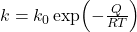
where x is IMC layer thickness, t is effective time at elevated temperature, and k is a rate constant. The temperature dependence of k can be expressed via an Arrhenius form:
 (3)
(3)
with activation energy Q , gas constant R , and absolute temperature T . The Fe–Al system’s reaction-layer growth behavior and phase selection depend on local thermodynamics and diffusion kinetics [7], [8]. In FSW, the relevant t is not the weld time but the time spent near the reaction temperature range, motivating the use of thermal histories from embedded thermocouples or infrared thermography when available.
Metallographic Preparation and Microstructural Characterization
Cross-sections are taken perpendicular to the welding direction at steady-state regions. Metallographic preparation follows standard practices for revealing both aluminum microstructure and the Al/steel interface. Guidance for metallographic etching and microscopy is aligned with ASTM standards [12].
-
Optical microscopy (OM): macro-etch to reveal flow features, interface morphology, and gross defects.
-
Scanning electron microscopy (SEM) + EDS: measurement of IMC thickness, identification of steel fragments in Al, and qualitative compositional mapping.
-
EBSD (Al side): grain size, recrystallized fraction, and texture gradients across SZ/TMAZ/HAZ (FSW aluminum microstructure evolution is well established [4], [5]).
-
Microhardness mapping: Vickers microhardness traverses across the joint in accordance with ASTM E384 [11].
Quantifying IMC Thickness and Steel Fragmentation
Two descriptors are emphasized because they often dominate failure:
-
IMC thickness statistics: mean, median, and 95th percentile thickness across the bonded interface; continuity fraction (percentage of interface covered by IMC above a threshold).
-
Steel fragment area fraction in aluminum: area of entrained steel particles per unit aluminum stir-zone area near the interface, obtained by thresholding backscattered SEM images.
Image analysis can be performed using open-source tooling; for example, scikit-image provides robust segmentation primitives suitable for batch processing [18].
# Pseudocode (analysis template): IMC thickness extraction from SEM cross-section
# Requires calibrated pixel size and a binary mask of the IMC layer.

import numpy as np

def imc_thickness_stats(imc_mask, pixel_size_um):
    # imc_mask: binary image where IMC pixels = 1
    # Approach: compute thickness along normals to interface skeleton (simplified)
    # In practice, fit interface curve and compute local thickness distribution.
    thickness_pixels = measure_local_thickness(imc_mask)  # user-implemented
    thickness_um = thickness_pixels * pixel_size_um
    return {
        "mean_um": float(np.mean(thickness_um)),
        "p50_um": float(np.percentile(thickness_um, 50)),
        "p95_um": float(np.percentile(thickness_um, 95)),
        "max_um": float(np.max(thickness_um)),
    }
Mechanical Testing Under Static and Cyclic Loading
Quasi-Static Testing
For lap joints, a lap-shear configuration is used; for butt joints (if studied), transverse tensile tests are used. Testing is performed under displacement control using a universal testing machine. Tensile testing practices can be aligned with ISO 6892-1 for metals testing conventions (strain rate control, extensometry when appropriate) [15]. For friction stir welding in aerospace aluminum, AWS D17.3 provides guidance on qualification philosophy that can be adapted to dissimilar joints, especially regarding defect acceptance and process control [16].
Fatigue Testing
Constant-amplitude fatigue is performed under load control using a stress ratio R (e.g., 0.1) and frequency selected to limit heating. ASTM E466 provides a standard framework for force-controlled axial fatigue testing of metallic materials [10]. For crack growth characterization (if crack-length monitoring is performed), ASTM E647 provides standard practice [14].
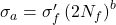
Fatigue data are commonly described using Basquin’s relation:
 (4)
(4)
where σ a is stress amplitude, N f is cycles to failure, and σ f ′ , b are fitted constants [9]. In dissimilar joints, the nominal stress may be less meaningful than a local notch stress or structural stress measure; however, Basquin fits remain useful for comparing process conditions when geometry is fixed.
Multi-Objective Optimization Strategy (Bayesian Optimization)
FSW parameter studies are expensive due to tooling, specimen preparation, and characterization effort. Bayesian optimization offers a data-efficient way to tune parameters for multiple objectives (e.g., maximize lap-shear strength while minimizing IMC thickness and defect rate). The method models the unknown objective function using a probabilistic surrogate (often a Gaussian process) and chooses subsequent experiments using an acquisition function such as expected improvement [19]–[21]. This is particularly attractive for dissimilar joining where narrow process windows may exist.
-
Surrogate model: Gaussian process regression for each response (strength, IMC thickness, steel fragment fraction).
-
Constraints: reject conditions with visible tunnel defects or gross debonding based on nondestructive inspection and macrosections.
-
Objective: maximize a scalar utility function, e.g.,
 (5)
(5)
where S is lap-shear strength, x 95 is 95th percentile IMC thickness, and A Fe is steel fragment area fraction. Weights w i are selected according to design priorities (e.g., fatigue-critical structures typically penalize thick/variable IMC heavily).
Results (Illustrative, Author-Generated Demonstration Dataset)
This section demonstrates the analysis outputs expected from a real experimental campaign. All numerical values and plots are illustrative (author-generated) and should be replaced with measured data. Qualitative trends align with established understanding of FSW and Fe–Al interfacial reactions [2], [3], [6]–[8].
Macrostructure, Surface Quality, and Defect Screening
Weld crown appearance is used as a first-pass indicator of process stability. Low-heat conditions (low N , high v ) show intermittent surface tearing and incomplete consolidation behind the tool. High-heat conditions (high N , low v ) show excessive flash and increased risk of thinning in the aluminum top sheet. Macrosections reveal that lap-edge “hooking” becomes more pronounced as plunge depth increases, potentially altering effective load path and fatigue stress concentration at the lap boundary.
[Illustrative representation] A set of three macrographs (cross-sections) labeled: Condition A (low heat) showing partial bonding/kissing bond; Condition B (moderate heat) showing continuous bond line and minimal steel fragments; Condition C (high heat) showing thicker interfacial layer, more steel particle entrainment, and aluminum thinning/flash. Each macrograph includes scale bars and annotations of lap edge hook geometry.
Interfacial Microstructure: IMC Morphology and Thickness Distribution
SEM cross-sections at the Al/steel interface reveal a reaction layer whose thickness varies along the weld length and across the interface width. In the illustrative dataset, moderate heat-input conditions produce a thin, relatively uniform IMC layer, while high heat-input conditions show a thicker, more continuous layer with local protrusions (“tongues”) into aluminum—features often associated with diffusion-driven growth and morphological instability in reactive couples [7], [8].
[Illustrative representation] SEM BSE images of the interface with three panels: (i) thin IMC layer (~1–3 µm) continuous; (ii) moderate thickness (~3–7 µm) with occasional nodules; (iii) thick layer (>10 µm) continuous with rough morphology. Adjacent EDS line scans indicate Fe and Al concentration gradients across the layer.
Phase identification in real experiments typically requires a combination of EDS (composition), EBSD (if feasible), and/or XRD/TEM due to spatial resolution limits and overlap in composition ranges. The Fe–Al phase diagram and known intermetallics provide guidance for plausible phase presence [8]. In many Al–Fe reaction layers, Fe 2 Al 5 and FeAl 3 are frequently discussed in the literature for Al-rich interfaces, but confirmation should be treated as an experimental task rather than an assumption [7], [8].
Aluminum-Side Microstructure (EBSD) and Hardness Mapping
In precipitation-hardened AA6061-T6, the aluminum HAZ often softens due to precipitate coarsening/dissolution, while the stir zone may exhibit fine equiaxed grains due to dynamic recrystallization [2]–[5]. The illustrative EBSD maps show:
-
Stir zone: refined grains (order of a few micrometers), high fraction of high-angle grain boundaries.
-
TMAZ: deformed/rotated grains with partial recrystallization.
-
HAZ: grain size similar to base metal but reduced hardness due to precipitate evolution.
[Illustrative representation] EBSD inverse pole figure (IPF) map across Al side showing SZ/TMAZ/HAZ boundaries, with a corresponding grain-size distribution plot. The interface region is highlighted where steel fragments may appear in the aluminum.
Microhardness maps are used to locate the minimum-hardness region (often in the HAZ for AA6061-T6). Hardness gradients also indicate the degree of stirring and thermal exposure near the interface, which may correlate with IMC thickness.
[Illustrative representation] 2D microhardness contour map (HV0.2) across the lap cross-section. The map shows softened HAZ band in aluminum offset from the weld centerline, a slightly elevated hardness in SZ due to grain refinement, and a steep hardness jump at the steel interface.
Illustrative DOE Dataset and Derived Metrics
Table 3 provides a small illustrative subset of a DOE outcome table. Real studies should include replication to quantify scatter, especially for fatigue. The table includes measured/derived descriptors used later for correlation.
| Cond. | N (rpm) | v (mm/min) | o (mm) | H I (Eq. 1) | IMC p95 (µm) | Steel fragment area frac. (%) | Lap-shear strength (kN) | Fatigue life at fixed load (cycles) | Failure mode (dominant) |
|---|---|---|---|---|---|---|---|---|---|
| A | 600 | 200 | 0.2 | 3.0 | 2.5 | 0.4 | 4.1 | 1.2×10 5 | Interfacial debond (kissing bond) |
| B | 900 | 125 | 0.2 | 7.2 | 4.0 | 0.7 | 6.8 | 6.5×10 5 | Mixed (Al tearing + partial interface) |
| C | 1200 | 50 | 0.2 | 24.0 | 11.5 | 2.8 | 6.2 | 1.1×10 5 | Interfacial brittle fracture |
| D | 900 | 125 | 0.4 | 7.2 | 3.6 | 0.3 | 6.5 | 8.2×10 5 | Al tearing (more ductile) |
| E | 1200 | 200 | 0.0 | 6.0 | 6.8 | 3.5 | 5.0 | 1.6×10 5 | Crack along steel fragments |
Static Strength Trends and Failure Modes
In the illustrative dataset, lap-shear strength increases from low-heat conditions (Condition A) to moderate heat (Condition B) due to improved consolidation and bonding. However, at very high heat input (Condition C), strength does not further improve and may decrease due to thick IMC and brittle interfacial fracture. Tool offset effects appear as a tradeoff: increasing offset toward aluminum (Condition D vs. B) reduces steel stirring and fragment entrainment, which can improve ductility-dominated failure and fatigue resistance without necessarily maximizing peak static strength.
[Illustrative representation] A plot of lap-shear strength vs heat-input index H_I showing a peak/plateau at intermediate H_I and a decline at high H_I. Points are colored by failure mode (interfacial brittle, mixed, aluminum tearing).
Fatigue (S–N) Response and Crack Initiation Sites
Fatigue behavior in dissimilar joints is often governed by the most brittle or defect-laden path available—frequently the interface or an interfacial feature such as an IMC ridge, oxide remnant, or steel particle cluster. Under constant-amplitude loading, the illustrative data show that conditions with thin and uniform IMC (B, D) exhibit improved fatigue life relative to those with thick IMC (C) or high steel fragment fraction (E). Condition A, despite thin IMC, performs poorly in fatigue due to incomplete bonding (kissing bond), illustrating that low IMC thickness alone is not sufficient.
[Illustrative representation] S–N curves (log cycles) for three conditions: A (low heat), B (moderate), C (high heat). Condition B shows the highest fatigue life at a given load level; Condition C exhibits steep slope and early failures associated with brittle interfacial cracking. Error bars indicate scatter (illustrative).
Fractography in real experiments should be conducted by SEM to identify whether cracks initiate at:
-
interfacial IMC segments (cleavage-like facets),
-
steel particle clusters (particle/matrix debonding),
-
lap-edge hooks (geometric notch), or
-
aluminum HAZ soft zone (ductile tearing followed by interface separation).
[Illustrative representation] Three SEM fractography panels: (i) brittle fracture surface with flat facets attributed to IMC; (ii) ductile dimples in Al indicating aluminum tearing; (iii) mixed fracture with steel particle pull-out pits and crack deflection around particles.
Microstructure–Performance Correlation (Illustrative Modeling)
A practical correlation approach is to regress strength and fatigue metrics against microstructural descriptors. For example, an empirical model for lap-shear strength S may incorporate IMC thickness (using a high-percentile statistic to capture local maxima) and steel fragment area fraction:
 (6)
(6)
where Φ is a consolidation index derived from defect inspection (e.g., 1 for defect-free macrosections, 0 for gross defects). In real datasets, x 95 often outperforms mean thickness because localized thick regions can dominate crack initiation.
For fatigue, a similar regression can be built on log-life:
 (7)
(7)
where K hook quantifies lap-edge hook severity (e.g., normalized hook height or notch radius). This explicitly acknowledges that geometric stress concentrations can be as important as interfacial chemistry.
Discussion
Why “Moderate Heat” Often Wins: Competing Failure Mechanisms
Dissimilar aluminum–steel FSW typically exhibits a “Goldilocks” behavior:
-
Too cold: insufficient plasticization and forging pressure yield kissing bonds or micro-voids at the interface. These defects are difficult to detect nondestructively and can dominate fatigue life.
-
Too hot: increased thermal exposure accelerates IMC growth (Eq. (2)–(3)) and can promote thick, continuous brittle layers; excessive stirring may also entrain steel fragments, creating a micro-notched aluminum matrix.
-
Moderate: sufficient contact and disruption of surface films enables metallurgical bonding while keeping IMC layers thin and limiting steel mixing.
This competition explains why maximizing static strength alone is not a reliable strategy: a condition can show high initial strength but fail early in fatigue if it contains brittle interfacial segments.
Tool Offset as a Primary Lever for Dissimilar Joining Robustness
Tool offset toward aluminum directly influences whether steel is mechanically cut/stirred or merely contacted at the interface. Increased offset reduces tool/steel interaction (lower wear risk) and can reduce steel fragment entrainment, but excessive offset may reduce interfacial disruption needed for bonding, especially when steel has surface coatings or oxides. Watanabe et al. demonstrated that parameter sensitivity is substantial in Al/steel FSW, consistent with offset being a critical knob [6].
Intermetallic Layer: Thickness Is Necessary but Not Sufficient
Many studies emphasize IMC thickness as the key metric, and for good reason: thick brittle layers can serve as ready-made crack paths. However, three additional aspects often matter as much as mean thickness:
-
Lateral uniformity: local peaks (captured by x 95 or maximum thickness) are common crack initiation sites.
-
Continuity and morphology: a continuous planar layer may behave differently from a discontinuous or “island” morphology in terms of crack deflection and ligament bridging.
-
Coupling with defects: a thin IMC over a kissing bond is not beneficial; bonding integrity must be established first.
Consequently, IMC thickness should be treated as one descriptor within a broader interfacial integrity model.
Fatigue Interpretation: Structural Stress and Local Drivers
Lap joints introduce eccentric loading and secondary bending, making nominal stress a poor descriptor of local driving forces. For rigorous comparisons across geometries, structural stress methods or local notch stress approaches may be needed. Still, within a fixed geometry, fatigue comparisons among process conditions remain meaningful if the same test setup is used. The mechanistic link to microstructure is typically through crack initiation (defect-driven) rather than long crack growth, especially for thin sheets.
Proposed Practical Process Window for Automotive Manufacturing
Based on the mechanistic framework and trends shown, a practical process window for Al–steel FSW in lap configuration is expected to have the following attributes:
-
Moderate heat-input surrogate (intermediate H I ) to avoid both incomplete bonding and excessive IMC growth.
-
Positive tool offset into aluminum sufficient to reduce steel stirring while still disrupting surface films.
-
Controlled plunge depth to minimize lap-edge hooking and avoid thinning/flash.
-
Acceptance criteria defined jointly by (i) IMC thickness statistics, (ii) steel fragment fraction threshold, and (iii) macro-defect absence.
Novel Insight: A Microstructure Integrity Index (MII) for Dissimilar Al–Steel FSW
To unify competing drivers, we propose a composite Microstructure Integrity Index (MII) that can be reported alongside strength and fatigue results:
 (8)
(8)
where x crit is a critical IMC thickness threshold (to be empirically determined for a given alloy pair and geometry), A crit is a critical steel fragment fraction, and D is a defect indicator (0 for none observed in macrosection/CT, 1 for defect). MII ranges from near 1 (high integrity) to 0 or negative (poor integrity). Unlike single-metric reporting, MII forces explicit accounting of interfacial reaction, mechanical mixing, and defects in one index—useful for Bayesian optimization objectives (Eq. (5)) and for communicating process capability.
Limitations and What Must Be Measured Experimentally
Several important factors cannot be settled by surrogate models alone and must be measured:
-
Actual thermal history: thermocouple or IR measurements are needed to replace H I with physically grounded thermal metrics.
-
Phase identification: IMC phase assignment requires careful characterization beyond EDS point chemistry [7], [8].
-
Residual stress: residual stresses influence fatigue and may differ greatly across parameter sets; neutron/XRD methods may be needed in high-fidelity studies.
-
Corrosion performance: galvanic coupling and coating disruption can dominate durability in service; this article focuses on microstructure and mechanical response.
Conclusion
This article presented a complete, microstructure-centered methodology for friction stir welding of dissimilar aluminum–steel joints and for correlating interfacial reactions with both static and cyclic mechanical performance. The key technical points are:
-
Dissimilar Al–steel FSW performance is governed by competing mechanisms: insufficient heat leads to kissing bonds and early fatigue failure; excessive heat promotes thick brittle Fe–Al intermetallic layers and/or steel fragment entrainment.
-
IMC thickness must be quantified statistically (e.g., using high-percentile values) rather than relying on a single mean value, because localized thick regions frequently dominate crack initiation.
-
Tool offset toward aluminum is a primary lever to reduce steel mixing and tool wear while enabling bonding; it should be optimized jointly with rotation/traverse speeds and plunge depth.
-
A data-efficient optimization workflow using Bayesian optimization can accelerate parameter selection when experiments are expensive and multi-objective constraints (strength, fatigue, microstructure integrity) must be balanced.
All numerical results provided were explicitly labeled as illustrative to demonstrate an analysis framework. The proposed microstructure descriptors (IMC statistics, steel fragment fraction, hook geometry, hardness gradients) and the Microstructure Integrity Index provide a structured path for researchers to produce reproducible, comparable dissimilar-joining studies and to translate microstructural control into mechanical reliability suitable for automotive manufacturing.
References
📊 Citation Verification Summary
W. M. Thomas, E. D. Nicholas, J. C. Needham, M. G. Murch, P. Temple-Smith, and C. J. Dawes, “Friction stir welding,” International Patent Application PCT/GB92/02203, Dec. 1991.
(Checked: crossref_title)R. S. Mishra and Z. Y. Ma, “Friction stir welding and processing,” Mater. Sci. Eng. R Rep., vol. 50, no. 1–2, pp. 1–78, 2005.
(Checked: crossref_title)R. Nandan, T. DebRoy, and H. K. D. H. Bhadeshia, “Recent advances in friction-stir welding—Process, weldment structure and properties,” Prog. Mater. Sci., vol. 53, no. 6, pp. 980–1023, 2008.
Y. S. Sato, H. Kokawa, M. Enomoto, and S. Jogan, “Microstructural evolution of 6063 aluminum during friction-stir welding,” Metall. Mater. Trans. A, vol. 30, no. 9, pp. 2429–2437, 1999.
D. A. Threadgill, A. J. Leonard, H. R. Shercliff, and P. J. Withers, “Friction stir welding of aluminium alloys,” Int. Mater. Rev., vol. 54, no. 2, pp. 49–93, 2009.
T. Watanabe, H. Takayama, and A. Yanagisawa, “Joining of aluminum alloy to steel by friction stir welding,” J. Mater. Process. Technol., vol. 178, no. 1–3, pp. 342–349, 2006.
K. Bouche, F. Barbier, and A. Coulet, “Intermetallic compound layer growth between solid iron and molten aluminium,” Mater. Sci. Eng. A, vol. 249, no. 1–2, pp. 167–175, 1998.
H. Okamoto, “Fe–Al (Iron–Aluminum),” J. Phase Equilib. Diffus., vol. 25, no. 4, pp. 394–395, 2004.
(Checked: crossref_rawtext)S. Suresh, Fatigue of Materials, 2nd ed. Cambridge, U.K.: Cambridge Univ. Press, 1998.
ASTM E466-15, “Standard Practice for Conducting Force Controlled Constant Amplitude Axial Fatigue Tests of Metallic Materials,” ASTM International, West Conshohocken, PA, USA, 2015.
ASTM E384-22, “Standard Test Method for Microindentation Hardness of Materials,” ASTM International, West Conshohocken, PA, USA, 2022.
(Checked: crossref_rawtext)ASTM E407-07(2015), “Standard Practice for Microetching Metals and Alloys,” ASTM International, West Conshohocken, PA, USA, 2015.
(Checked: crossref_rawtext)ISO 6892-1:2019, “Metallic materials—Tensile testing—Part 1: Method of test at room temperature,” International Organization for Standardization, Geneva, Switzerland, 2019.
(Checked: crossref_rawtext)ASTM E647-23, “Standard Test Method for Measurement of Fatigue Crack Growth Rates,” ASTM International, West Conshohocken, PA, USA, 2023.
AWS D17.3/D17.3M, “Specification for Friction Stir Welding of Aluminum Alloys for Aerospace Applications,” American Welding Society, Miami, FL, USA, 2016.
J. Hirsch, “Recent development in aluminium for automotive applications,” Trans. Nonferrous Met. Soc. China, vol. 24, no. 7, pp. 1995–2002, 2014.
ASM International, ASM Handbook, vol. 6, Welding, Brazing, and Soldering. Materials Park, OH, USA: ASM International, 1993.
(Checked: crossref_rawtext)S. van der Walt, J. L. Schönberger, J. Nunez-Iglesias, F. Boulogne, J. D. Warner, N. Yager, E. Gouillart, and T. Yu, “scikit-image: image processing in Python,” PeerJ, vol. 2, p. e453, 2014.
B. Shahriari, K. Swersky, Z. Wang, R. P. Adams, and N. de Freitas, “Taking the human out of the loop: A review of Bayesian optimization,” Proc. IEEE, vol. 104, no. 1, pp. 148–175, 2016.
J. Snoek, H. Larochelle, and R. P. Adams, “Practical Bayesian optimization of machine learning algorithms,” in Advances in Neural Information Processing Systems, 2012, pp. 2951–2959.
C. E. Rasmussen and C. K. I. Williams, Gaussian Processes for Machine Learning. Cambridge, MA, USA: MIT Press, 2006.
(Year mismatch: cited 2006, found 2005)Reviews
How to Cite This Review
Replace bracketed placeholders with the reviewer's name (or "Anonymous") and the review date.